Lint, Heat and Fire Risk: Understanding Dryer Vent Clogs
How lint builds up in a dryer vent, why a clog raises heat and fire risk, which vent setups clog fastest and what you can do about it at home.
Most people think of the dryer as a simple machine: wet clothes go in, dry clothes come out. But every load also pushes hot, damp, lint-filled air through a vent and out of your house. When that vent gets clogged, the dryer has to work harder and run hotter, and lint, which burns easily, sits right in the path of that heat.
The U.S. Fire Administration identifies failure to clean the dryer as the leading cause of home dryer fires. This post explains how clogs form, why they matter and how to keep them from building up.
A clothes dryer heats air with a gas burner or an electric element, tumbles that warm air through the clothes and then blows the damp air out through the exhaust vent. The air carries moisture and lint with it.
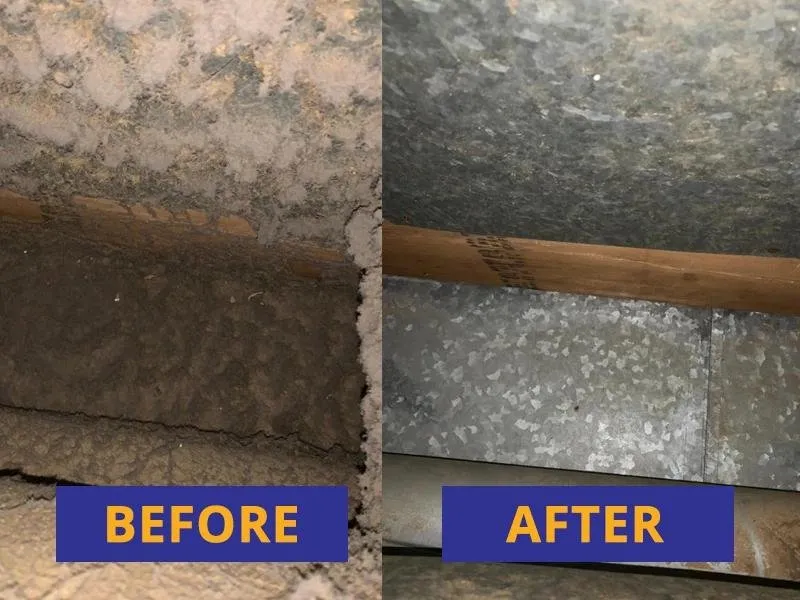
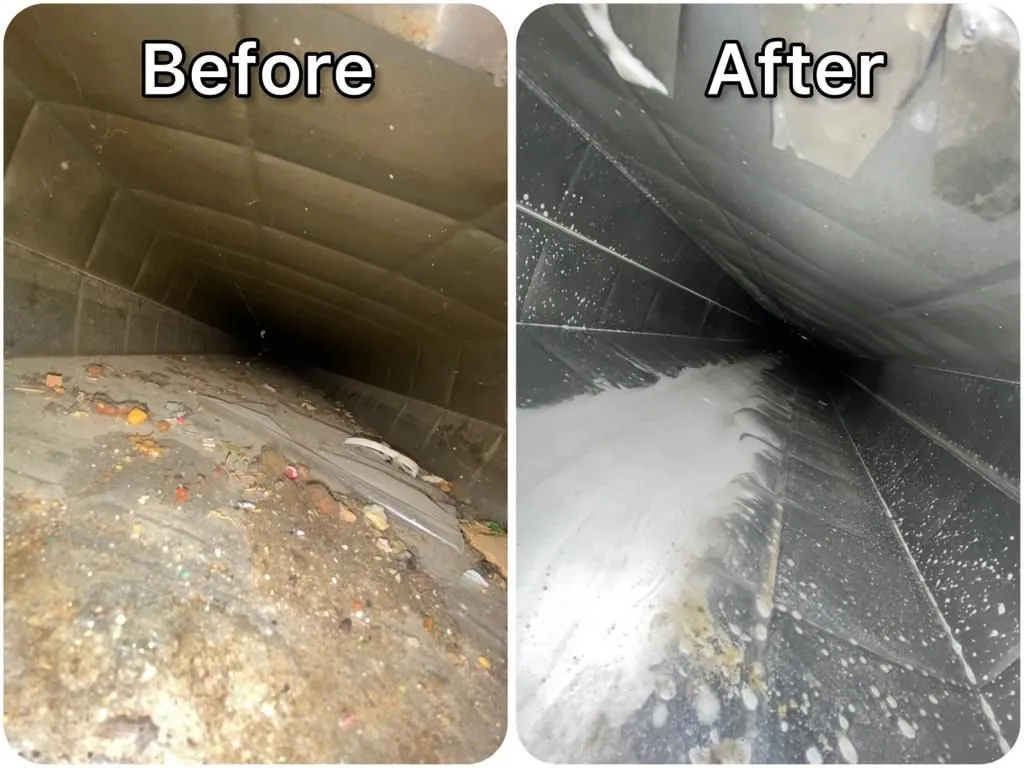
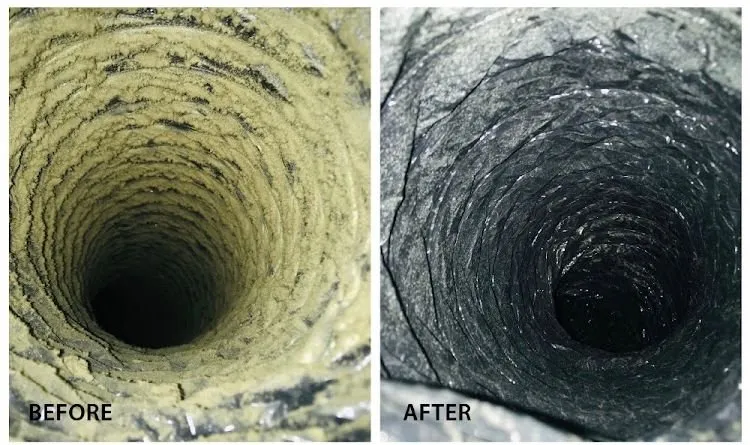
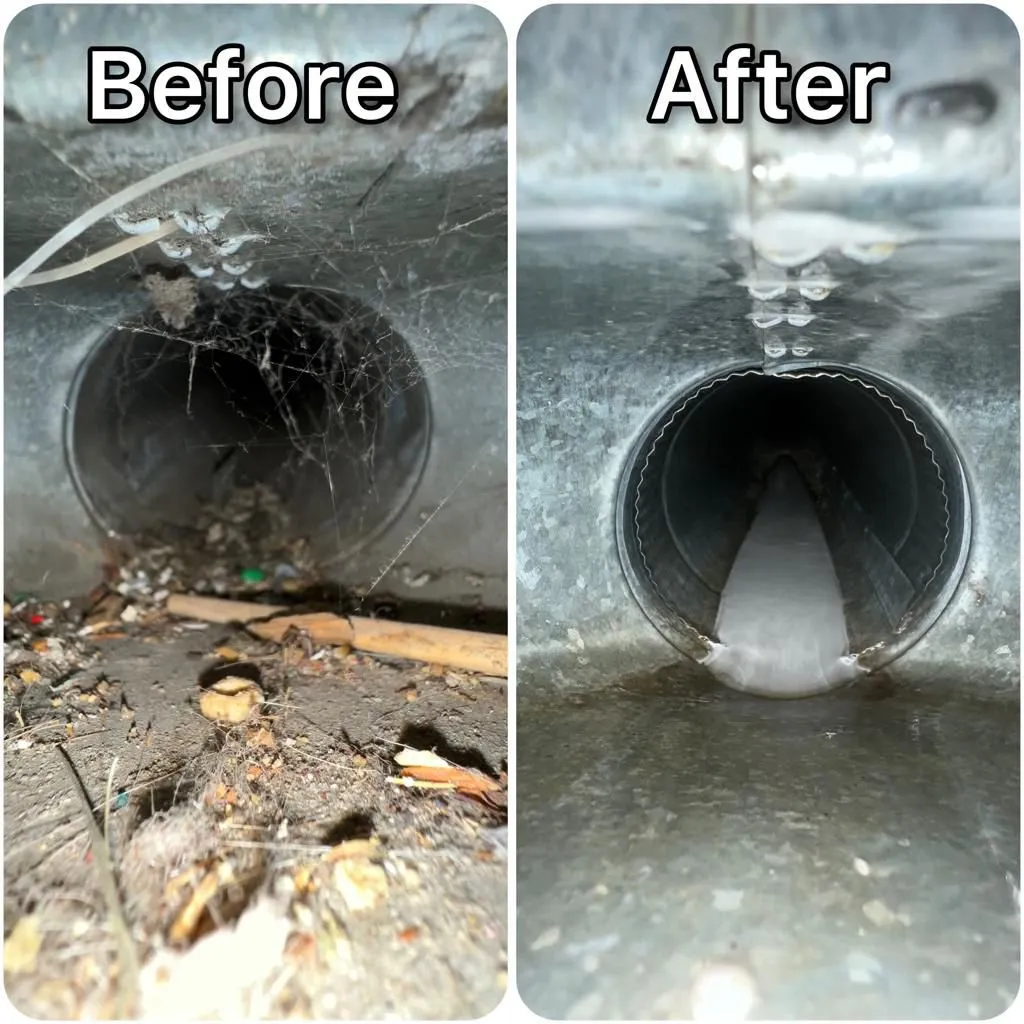
The lint screen catches most of the lint. But not all. Fine fibers slip past the screen and travel down the vent. Some of them make it outside. Some of them stick to the inside of the vent, especially where the airflow slows down.
Where lint builds up
Lint does not collect evenly. It tends to settle where air slows or changes direction:
- Bends and elbows. Every turn in the vent slows the air and gives lint a place to catch.
- Long horizontal runs. Air moving a long distance loses speed, and lint drops out along the bottom.
- Vertical runs to the roof. In upstairs laundry rooms that vent through the roof, lint can fall back down the pipe when the dryer stops.
- Low spots and sags. Flexible ducts that sag between supports can hold lint and even moisture.
- The outside hood. A flap that sticks or a hood packed with lint or nesting material blocks the exit.
- Crushed transition ducts. The short duct behind the dryer is often pushed flat against the wall, cutting airflow sharply.
What a clog does
As lint builds up, the vent gets narrower. Less air can get out, so:
- Drying takes longer. The dryer runs more cycles to get clothes dry.
- Heat builds up. With airflow restricted, temperatures rise inside the dryer and the vent.
- Moisture lingers. Damp air backs up into the laundry room, and condensation can form in the vent.
- Lint sits near heat. Lint is highly flammable, and a clogged vent puts more of it close to a hot dryer.
That combination is why dryer vent clogs are a fire safety issue, not just an inconvenience.
Vent setups that clog faster
Some homes are more prone to clogs than others:
- Long runs, such as a laundry room in the middle of the house.
- Roof exits, common with second-floor laundry rooms.
- Many bends, often added during remodels.
- Plastic or foil accordion ducts, which the USFA advises against because they crush easily and trap lint. Rigid or flexible metal is the recommended material.
- Heavy use, like large families or homes that wash a lot of towels, bedding or pet blankets.
Newer two-story homes with upstairs laundry are a common example. The vent may run a long way before it exits, and you cannot see most of it.
Warning signs to watch for
- Clothes still damp after a full cycle.
- The outside of the dryer or the laundry room feels unusually hot.
- A burning smell when the dryer runs.
- Lint collecting around the outside vent hood or behind the dryer.
- The outside flap barely opens when the dryer is on.
If you smell burning, turn the dryer off and do not use it until the cause is found. If there is smoke or fire, get everyone out and call 911.
What you can do at home
The USFA recommends a few basic habits:
- Clean the lint filter before or after every load.
- Do not run the dryer without the lint filter in place.
- Use rigid or flexible metal venting, not plastic or foil.
- Make sure the outdoor vent flap opens when the dryer is running and is not blocked.
- Do not leave the dryer running when you leave the house or go to bed.
- Keep the area around the dryer clear of things that can burn.
For a gas dryer, have it inspected by a qualified professional to make sure the gas line and connection are intact.
When to call a professional
Lint screens and a quick vacuum behind the dryer handle the easy part. The rest of the vent, through the wall, around bends and up to the roof, is harder to reach. Store-bought brush kits can miss buildup or push lint deeper on longer runs.
American Air Duct Cleaning Brighton cleans dryer vents from the dryer connection to the outside hood. Dryer vent cleaning is $99 for up to 10 feet, plus $15 for each additional foot. If you are also curious about your ducts, basic air duct cleaning is $199 for up to 10 vents.
If your dryer is showing any of the warning signs above, request an estimate for your home in Brighton, CO.