Wind, Open Land and Dust: Ducts on the Plains Edge
How wind across open farmland and new development pushes dust into homes on the plains edge, and the weak spots to check, from attic hatches to dryer hoods.
Living where the metro meets the plains has its perks: big skies, open space and mountain views on clear days. It also comes with wind. Homes around Brighton sit next to farm fields, open prairie, gravel roads and new construction, and when the wind picks up, a lot of that ground ends up in the air.
Some of it ends up in your house, too. This post looks at how wind-blown dust gets inside, which parts of your home let the most in and what to check after a windy stretch.
Why the plains edge gets so dusty
A few things line up here:
- Open land. Plowed fields, fallow ground and dry prairie have little to hold the topsoil down when it is windy.
- Construction. New subdivisions, road widening and commercial projects strip the ground bare for months at a time.
- Unpaved surfaces. County roads, driveways and construction access roads put dust in the air every time a truck passes.
- Dry air. With low humidity for much of the year, soil dries out and lifts easily.
- Strong wind. Spring is often the windiest season, but gusty days can come at any time of year.
When those conditions overlap, a windy afternoon can leave a film of grit on windowsills even with every window shut.
How wind pushes dust inside
Wind creates pressure differences across your house. The side facing the wind gets pushed on, and air finds its way in through every small opening. On the downwind side, air is pulled out. That steady flow carries fine dust through gaps you would never notice on a calm day.
Common entry points include:
- Window frames and sashes, especially older windows or sliders with worn weatherstripping.
- Exterior doors, including the door between the garage and the house.
- Attic hatches and pull-down stairs that are not gasketed.
- Recessed lights and ceiling penetrations under an attic.
- Plumbing and wiring holes in exterior walls and under sinks.
- Window wells that collect blowing soil next to basement windows.
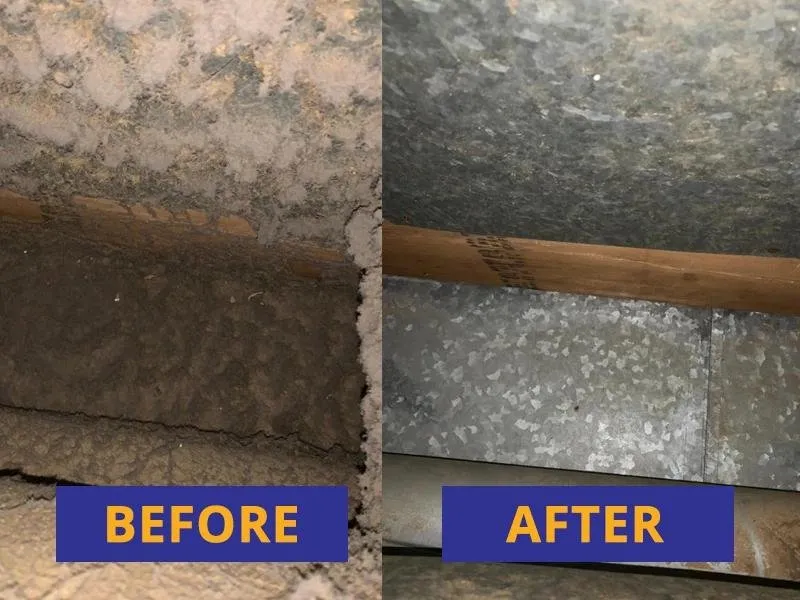
Once dust is inside, your HVAC system pulls it to the return grilles. The filter catches much of it. What gets past settles in the return ducts and on the blower.
The outside of your system takes a hit too
Wind-blown dust does not just affect the inside of your house:
- Outdoor AC or heat pump units can get coated in dust and debris. Your HVAC contractor can clean the coils as part of regular maintenance.
- Dryer vent hoods collect dust, plant debris and tumbleweed fragments, especially low hoods facing the wind. A clogged hood keeps the flap from opening and backs lint up into the vent.
- Fresh air intakes and exhaust vents on newer homes can collect debris on their screens.
What to check after a windy stretch
After a few days of strong wind, take a quick walk around the house:
- Replace or check the furnace filter. A windy week can load it up faster than usual.
- Look at the return grilles. If they are coated, vacuum them with a brush attachment.
- Check the dryer vent hood. Clear debris and make sure the flap swings freely when the dryer is running.
- Clean out window wells so soil does not keep blowing against basement windows.
- Look at the outdoor AC or heat pump unit for debris piled against it.
Long-term fixes that reduce dust
You cannot stop the wind, but you can slow how much dust comes in:
- Weatherstrip doors and windows, especially on the side facing the prevailing wind.
- Gasket the attic hatch and seal obvious ceiling penetrations.
- Use a better filter, rated as high as your system allows without restricting airflow. Ask your HVAC contractor if you are not sure.
- Plant windbreaks or ground cover around the property if you have the space. Bare soil next to the house blows easily.
- Add door mats and a shoes-off rule to keep tracked-in grit down.
When the ducts need attention
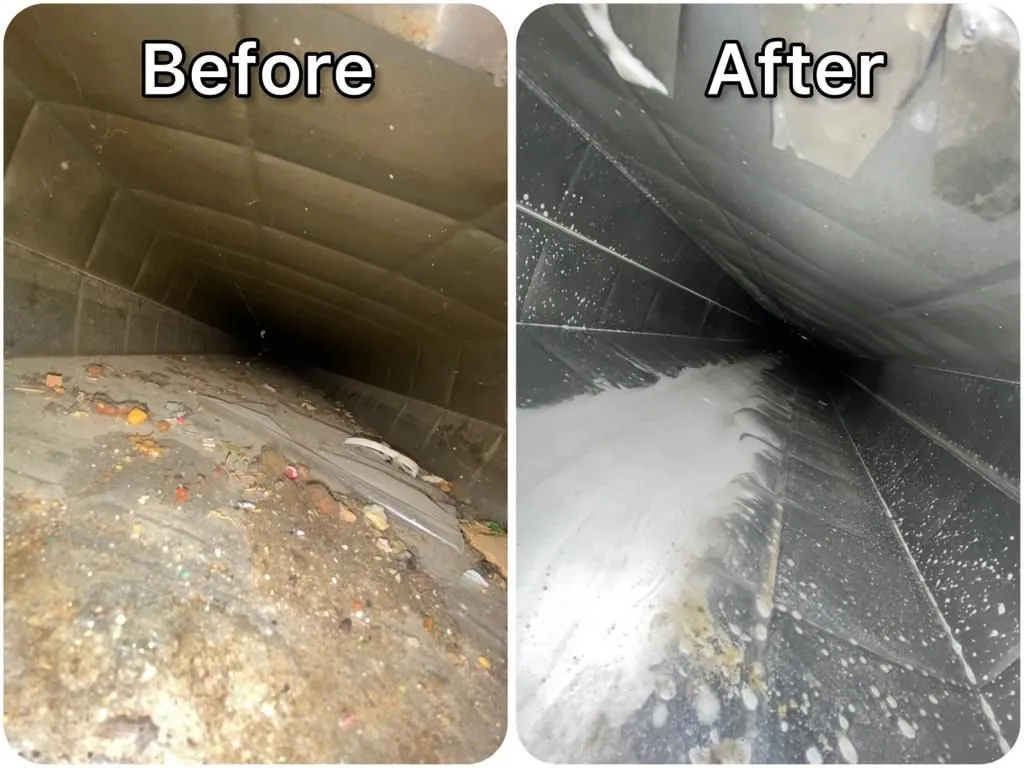
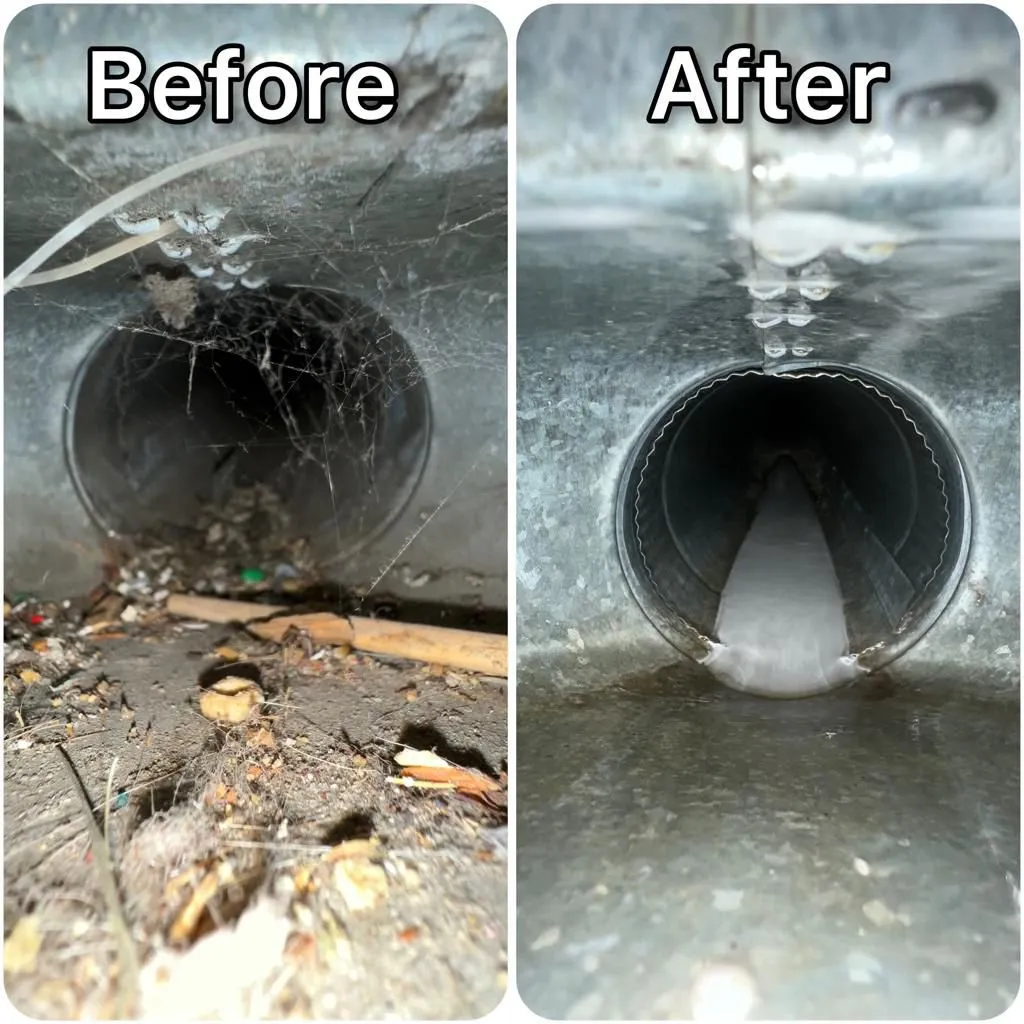
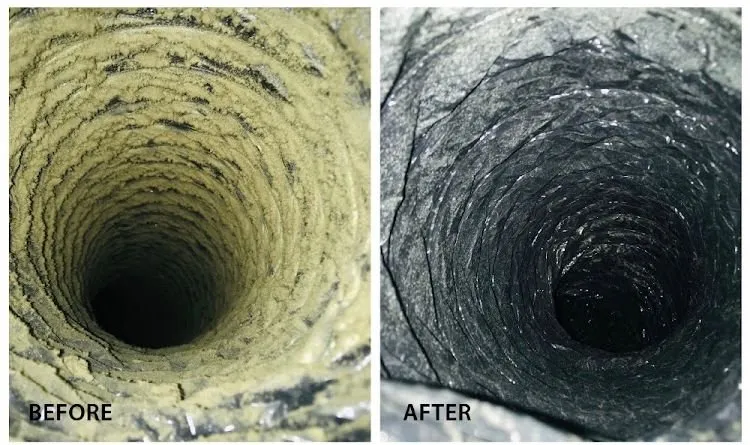
Over time, homes in dusty, windy areas can build up more debris in the ducts, especially in the returns. Take off a return grille and a supply register and look inside with a flashlight. If you see a thick layer of dust, debris or grit, or dust puffs out of registers when the system starts, a professional cleaning can help remove the buildup. The EPA lists ducts clogged with excessive dust and debris as one of the main reasons to consider cleaning.
Cleaning will not keep the wind from bringing in more dust, and it has not been shown to prevent health problems. It simply removes what has accumulated so it is not getting moved around every time the system runs.
American Air Duct Cleaning Brighton offers basic air duct cleaning for $199 for up to 10 vents, with $29 for each additional vent. If only a few vents on the windward side of the house seem dusty, deep duct cleaning at $59.99 per vent targets those runs. Dryer vent cleaning is $99 for up to 10 feet, plus $15 per additional foot.
For homes in Brighton, CO and the surrounding area, request an estimate.